This week served as a reminder that while headlines can move markets day to day, the real mechanism of the market is and always has been interest rates. They are the gravity that holds everything in place, and right now that gravity is getting heavier. What is driving rates higher is the resurfacing of inflation risk, now being led by the sharp move in oil. As longer term rates move higher, valuations compress and equities struggle to find their footing.
For most of the week, equities managed to grind sideways in a fragile equilibrium, as investors tried to balance a messy geopolitical backdrop against a U.S. economy that still refuses to roll over. That balance finally broke as a series of escalations in the Middle East forced a more honest repricing of risk.
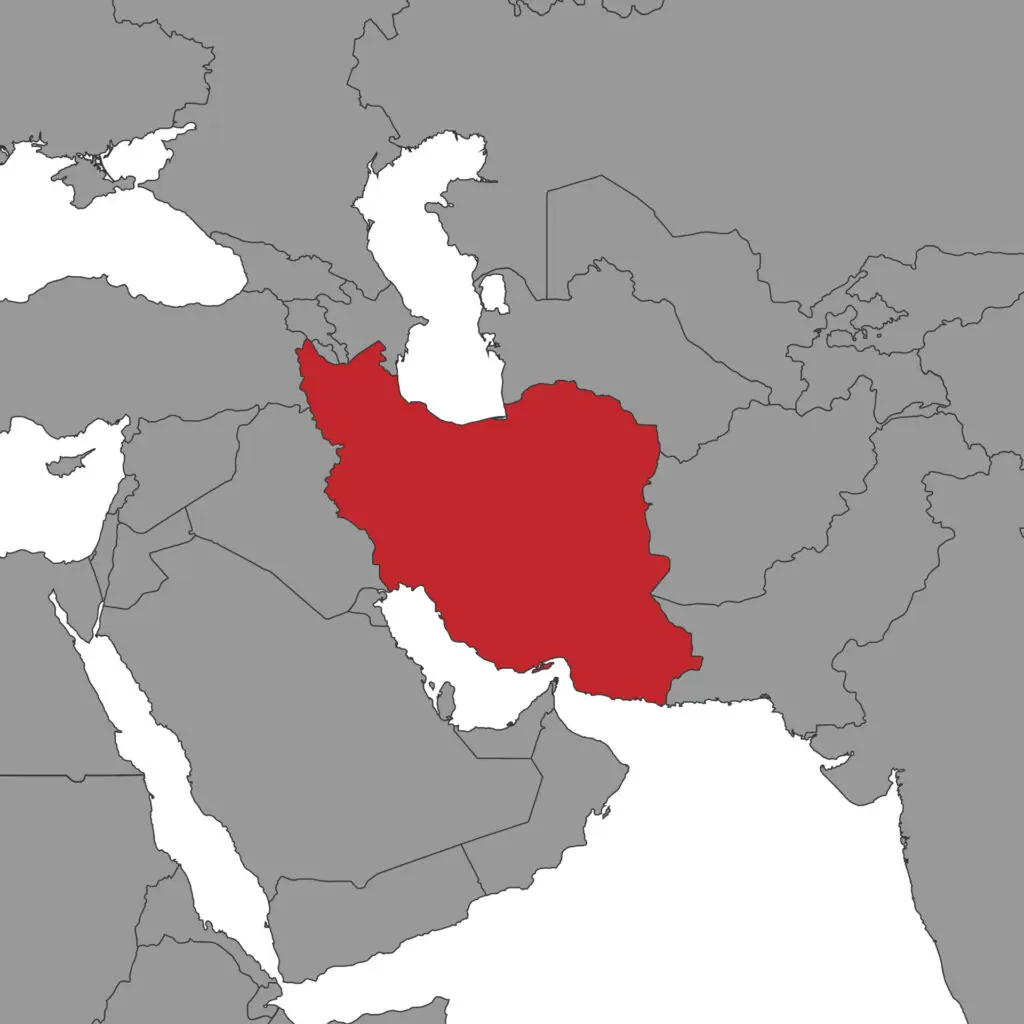
The inflection point came when Israel targeted Iranian energy infrastructure, including the South Pars gas fields. Iran’s retaliation followed quickly, and the energy complex responded with a level of force we have not seen in years. WTI crude surged roughly 10%, pushing through the $100 level, while European natural gas spiked nearly 25%.
President Trump attempted to calm markets on Thursday, distancing the U.S. from the initial strikes and urging de escalation, but by that point markets had already adjusted. The Strait of Hormuz is now operating under a cloud where safe passage is increasingly conditional, and the threat of low cost drone attacks remains ever present.
Beneath the surface, investors have found new ways to bet on events. Short term traders have increasingly turned to decentralized betting platforms like Polymarket to get a real time read on geopolitical shifts. These participants are putting real capital behind specific outcomes, such as military escalation or retaliation.
What is driving this activity is the belief that some bettors may have access to better information. In the days leading up to the escalation, a cluster of accounts deployed roughly $14 million into concentrated positions when implied probabilities were still in the 20% to 30% range. As events unfolded, those same contracts repriced into the 70% to 90% range, generating significant profits for those positioned early.
The financial incentive is now starting to bleed into the real world. Emanuel Fabian, a military correspondent for The Times of Israel, reported receiving threats and bribes after confirming a missile strike near Beit Shemesh on March 10. Because the betting contracts were tied to whether a strike occurred or was intercepted, gamblers who were positioned on the other side pressured him to change his report. He refused.
Because the timing and scale of these trades were so precise, and the pressure on reporting so direct, the activity is now under formal investigation. Israeli authorities have already indicted individuals for allegedly using classified intelligence to profit from these markets. Regardless of how that investigation plays out, the implication is clear. These markets are acting as forward looking pricing mechanisms, where probabilities can move from 25% to 80% before most investors have fully processed the news.
The most important question remains how long this war will last. We are starting to see a shift toward a longer engagement reflected in the type of assets being deployed. Amphibious ready groups like the USS Boxer and USS Tripoli are now moving in, bringing thousands of Marines and the equipment needed for sustained ground operations. This is a very different phase than the initial wave of airstrikes.
These units are built for control, not just disruption. They are bringing in tanks, armored vehicles, and attack helicopters designed to secure and hold key areas, whether that is energy infrastructure or strategic coastal positions. When you start to see this level of buildup, it suggests the objective is moving beyond containment and toward maintaining physical control over critical supply routes.
From a market perspective, that matters because it points to a longer timeline. This is less about a short term response and more about ensuring that global energy flows remain intact through the summer and potentially beyond, which keeps pressure on oil, inflation, and ultimately interest rates.
At the same time, if interest rates continue to rise at the pace seen this week, that pressure will not go unnoticed. President Trump has shown before that when rates spike and markets tighten, policy can shift quickly. The bond market has a way of forcing decisions, and if this combination of higher oil and rising yields persists, it increases the likelihood of a change in tone or direction.
The 10 year Treasury yield is now hovering around 4.39%, approaching levels that previously forced a policy response. During the April 2025 tariff sell off, yields spiked to nearly 4.50%, prompting Trump to admit he was watching the bond market closely as investors were getting “queasy.” That feeling is starting to return, with roughly $7 trillion wiped out in global wealth since the start of the conflict and rates once again approaching 4.50%.
Politically, the U.S. is in a difficult position. Netanyahu has been clear that the goal is regime change in Tehran. The U.S. is taking a more limited approach, focusing on military infrastructure, securing global shipping lanes, and potentially energy assets. The complication is that even if the U.S. pulls back, Israel is not slowing down its targeting of leadership. That keeps the risk of a broader collapse in Tehran alive and leaves the market with no clear endgame.
Ultimately, the real pressure point is how higher oil is feeding directly into inflation expectations and forcing interest rates higher. That is the transmission mechanism the market is reacting to. As oil rises, inflation expectations move with it, rates reset higher, and valuations compress. The range of outcomes remains wide, but the repricing is happening quickly, and from here the direction will largely depend on President Trump’s next move.
Have a great weekend!
* IEA Oil Market Report: Analysis of Middle East supply disruptions and price volatility (March 2026).
* Argus Media: SOUTH PARS strike impact on global LNG and LPG benchmarks (March 18, 2026).
* Times of Israel / Emanuel Fabian: Report on Polymarket betting pressure and Beit Shemesh strike (March 17, 2026).
* EIA Short-Term Energy Outlook: 2026 price revisions and WTI crude forecasts (March 20, 2026).
* USNI News: Movement of USS Tripoli (LHA-7) and the 31st Marine Expeditionary Unit (March 20, 2026).
* Market Data: 10-Year Treasury Yields reaching 4.39% and global wealth impact estimates.
Disclaimer: The views expressed here are those of the author as of March 21, 2026, and are subject to change without notice. This material is for informational purposes only and does not constitute a recommendation to buy or sell any specific security. Past performance is not a guarantee of future results. All investing involves risk, including the potential loss of principal.The information presented here is for informational purposes only, and this document is not to be construed as an offer to sell, or the solicitation of an offer to buy, securities. Constant Guidance Financial is not an accounting firm or legal firm; no portion of this content should be construed as legal or accounting advice. Some investments are not suitable for all investors, and there can be no assurance that any investment strategy will be successful. Charts, graphs, and visual illustrations are provided for educational purposes only and should not be relied upon as accurate representations of current market data.
The hyperlinks included in this message provide direct access to other Internet resources, including Web sites. While we believe this information to be from reliable sources, Constant Guidance Financial is not responsible for the accuracy or content of information contained in these sites.
Although we make every effort to ensure these links are accurate, up to date and relevant, we cannot take responsibility for pages maintained by external providers. The views expressed by these external providers on their own Web pages or on external sites they link to are not necessarily those of Constant Guidance Financial.